That's the short version. Below is what the bylaw asks for, in plain language, and where your contractor fits in. It's a summary, not legal advice. The rules have been amended since they started, so check the City of Hamilton's renovation licence page before you act, and talk to a lawyer or paralegal about your situation.
The bylaw took effect on January 1, 2025
The City's Renovation Licence and Relocation By-law, By-law 24-055, came into effect on January 1, 2025. People often search for it as Hamilton's "renoviction bylaw". When Council passed it in April 2024, the City called it the first bylaw of its kind in Ontario.
It applies to all rental housing units in Hamilton, with some exceptions, including:
- licensed hotels, motels, inns and bed and breakfasts;
- licensed lodging homes and licensed short-term rentals;
- licensed residential care facilities;
- buildings covered by certain provincial acts, such as long-term care and retirement homes.
The bylaw has the full list.
An N13 notice now starts a City licence application
An N13 is the provincial notice a landlord gives when they plan to demolish a unit, convert it to another use, or do repairs or renovations so extensive that the unit has to be empty. The City doesn't issue or enforce N13s; disputes about them go to the Landlord and Tenant Board.
What changed in Hamilton is what happens next. A renovation licence is required when both of these apply:
- the landlord serves an N13; and
- the tenant has to move out for extensive repairs or renovations.
The landlord must apply within 7 days of serving the N13. Renovation work can't begin until the City's requirements are met and the licence is issued.
The City's process, in order:
- complete the Renovation Licence Application Form;
- gather the required documents;
- submit the application;
- pay the licence fee;
- submit an Attestation Form for each affected unit.
Within 5 days of applying, you must also notify the affected tenants. In a multi-unit building, a notice also goes up in a common area.
The licence fee is $715, it's valid for one year, and renewal is $125 if the work runs longer.
Permits and an engineer's or architect's letter are part of the application
The City lists four required documents:
- Copies of every N13 you've served.
- A valid building permit for the work.
- A Qualified Person Letter: a letter or report from a professional engineer or an architect, in good standing in Ontario, confirming that the work is so extensive the unit must be vacant.
- An Attestation Form for each affected unit. It sets out the temporary housing or compensation agreed with the tenant, and whether the tenant is returning.
The City also expects every affected tenant to receive its Tenant Rights and Entitlement Package before you apply.
Tenants have a right to return, with housing or compensation in between
Under the Residential Tenancies Act, a tenant who gets an N13 for renovations may have a right of first refusal: the right to move back in once the work is done. To use it, the tenant tells the landlord in writing within 120 days of receiving the N13.
If the tenant chooses to return, the bylaw says the landlord must:
- arrange temporary housing, comparable to the unit in rent, size and location; or pay rent gap payments if comparable housing at the same rent isn't available. The payments are worked out from the current rent, the unit size and CMHC's average market rent for Hamilton.
- cover the move, either by hiring and paying an insured moving company or by paying the City's set amounts: $1,500 for a bachelor or one-bedroom unit, or $2,500 for two bedrooms or more;
- let the tenant return at a rent no higher than you could have legally charged if they had never moved out.
If you and the tenant can't agree on the arrangements, you notify the City's Licensing and By-law Services. You can also ask for an exemption, which is reviewed case by case.
The City sets the penalties
The City enforces the bylaw mainly through complaints. According to the City, penalties can include:
- a $400 administrative penalty for doing renovations without a licence;
- set fines under the Provincial Offences Act of $500 to $1,000;
- bylaw fines of up to $10,000 for individuals and up to $50,000 for corporations.
The City notes that fine amounts are subject to approval by the Ministry of the Attorney General.
Have the scope and permit underway before the N13
The application is due 7 days after the N13, and it has to include a valid building permit. So the work needs a clear scope before the notice goes out. A permit needs drawings, and drawings need someone to decide exactly what is being done to the unit.
That's where a contractor comes in, alongside your engineer or architect:
- A written scope of work. What's being opened up, replaced or rebuilt, room by room, so the permit drawings and the qualified person's letter describe the same job.
- A realistic plan for the work. It helps you plan the temporary arrangements and decide whether a licence renewal is likely.
- One point of contact while the unit is empty, so the work keeps moving and the tenant's return date stays realistic.
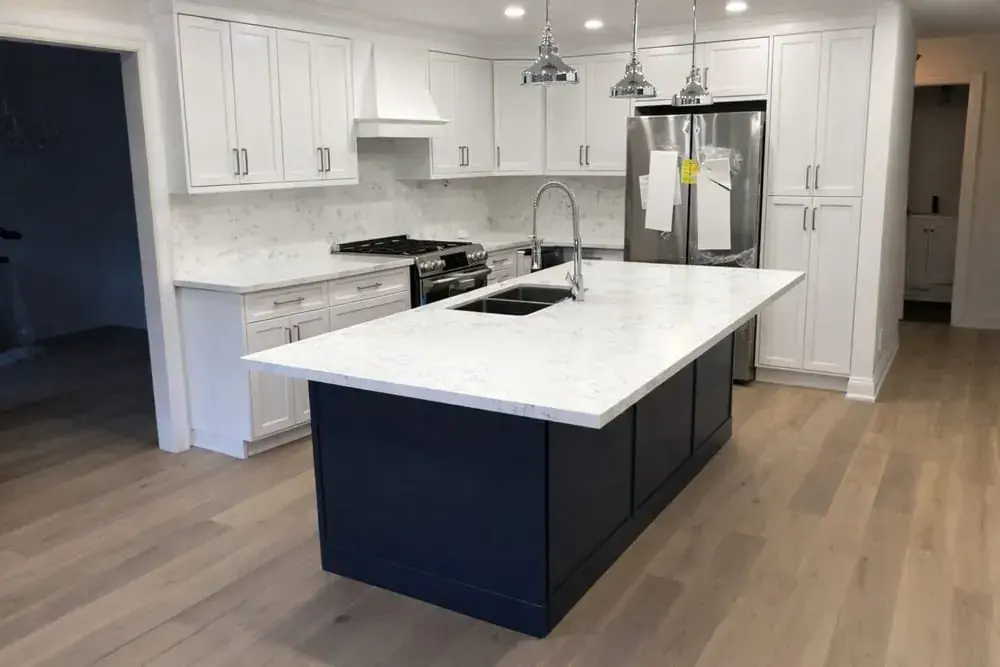
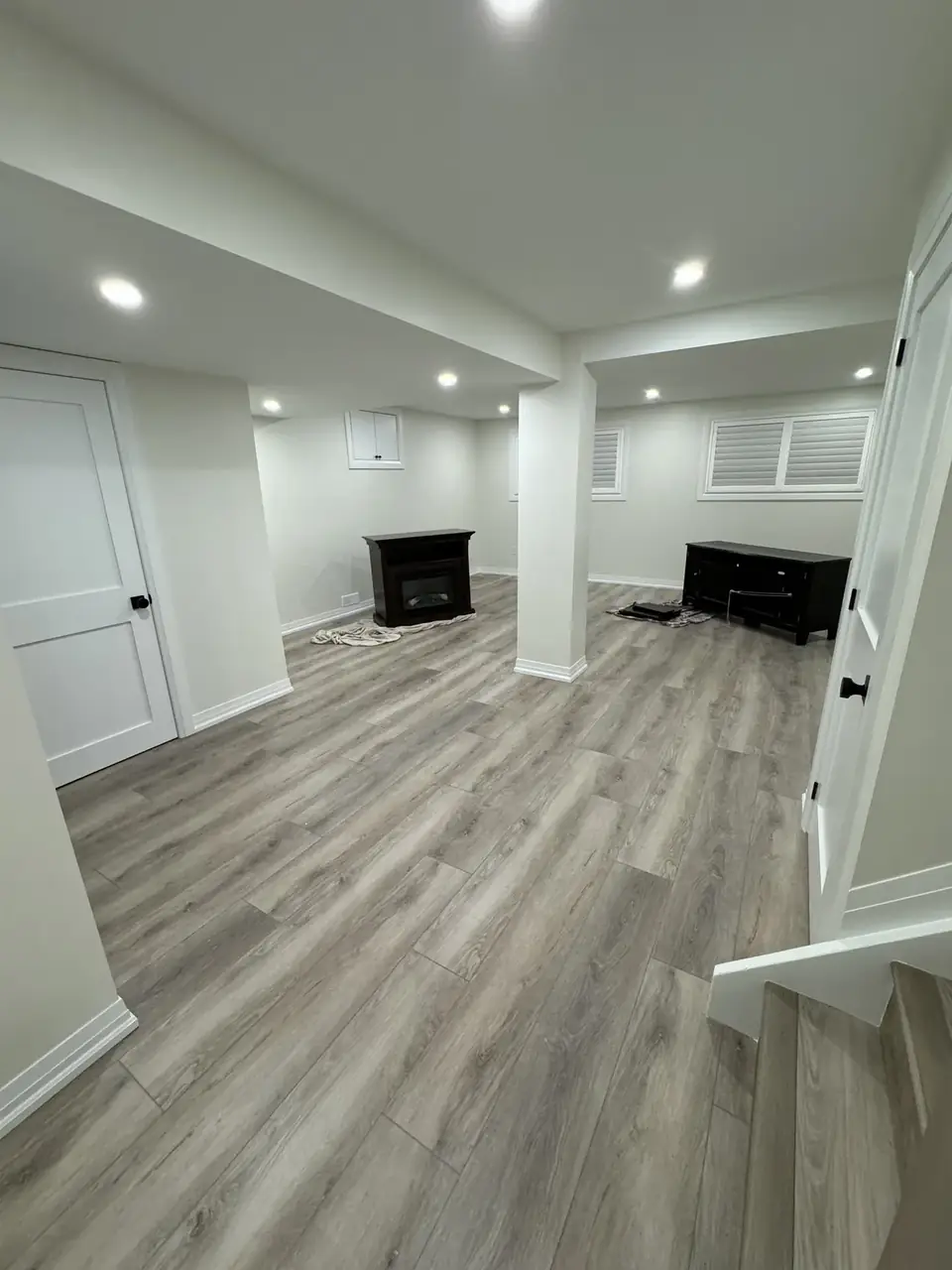
We renovate across Hamilton, from basement renovations to kitchens, bathrooms and other interior renovations. Whether your N13 and licence timing work is a question for the City. Getting the renovation itself scoped and priced is a question for us.